
Testamentary Trusts
These trusts are also referred to as mortis causa trusts or
"will" trusts. These are trusts which are formed on the death of
the founder of the trust.
→ Learn more
These trusts are also referred to as mortis causa trusts or
"will" trusts. These are trusts which are formed on the death of
the founder of the trust.
→ Learn more

These trusts are formed during the lifetime of the founder.
→ Learn more
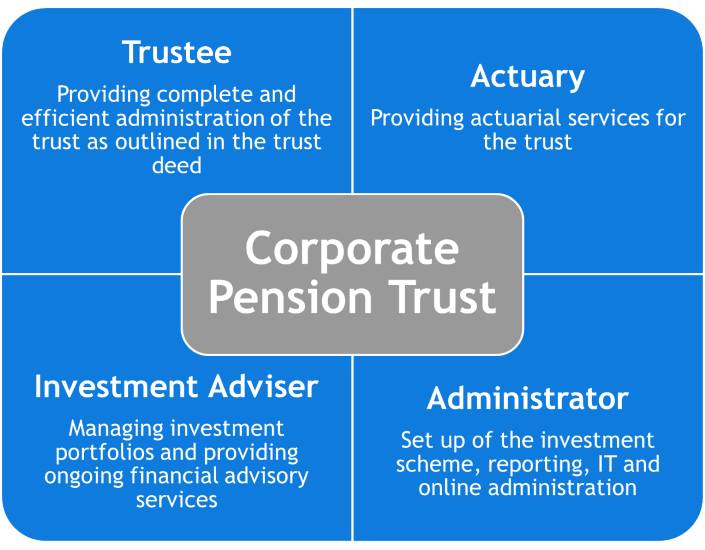
In these trusts the assets and liabilities of the trust are
owned by the trustees in their official capacity.
→ Learn more

In these trusts the beneficiaries acquire a vested right upon
the creation of the trust, and their rights are only limited in
that the control and administration of the assets are
transferred to the trustees.
→ Learn more
Beneficiaries do not have any vested rights, and any income or
capital which they may receive is determined purely in the
discretion of the trustees.
→ Learn more

Beneficiaries have a vested right either to income or capital or
both. These rights are real rights and not just personal rights.
→ Learn more
This type of trust is formed in South Africa and is subject to
the jurisdiction of the Master of the High Court.
→ Learn more
This type of trust is formed outside of South Africa and is not
subject to the jurisdiction of the Master of the High Court.
→ Learn more
A person dies intestate if they die without a valid will. A person can also die partly intestate where they do not bequeath all of their assets in the will or if a part of the will is invalid.
There cannot be effective succession or estate planning if a financial planner has not considered the making of a valid will. An up-to-date and valid will allows the client to choose his beneficiaries and executors.
Upon death a person ceases to be a tax payer
A letter of executorship must be issued by the Master
Clearane certificates must be issued for the sale of property
Administration of Estates Act must be complied with
Commercial soundness -
Include a strategy to ensure the growth and protection of a client's assets.
Liquidity -
Provide for the income requirements of the beneficiaries.
Minimalise all costs and taxes -
Ensure that all costs, including all taxes, are minimised.